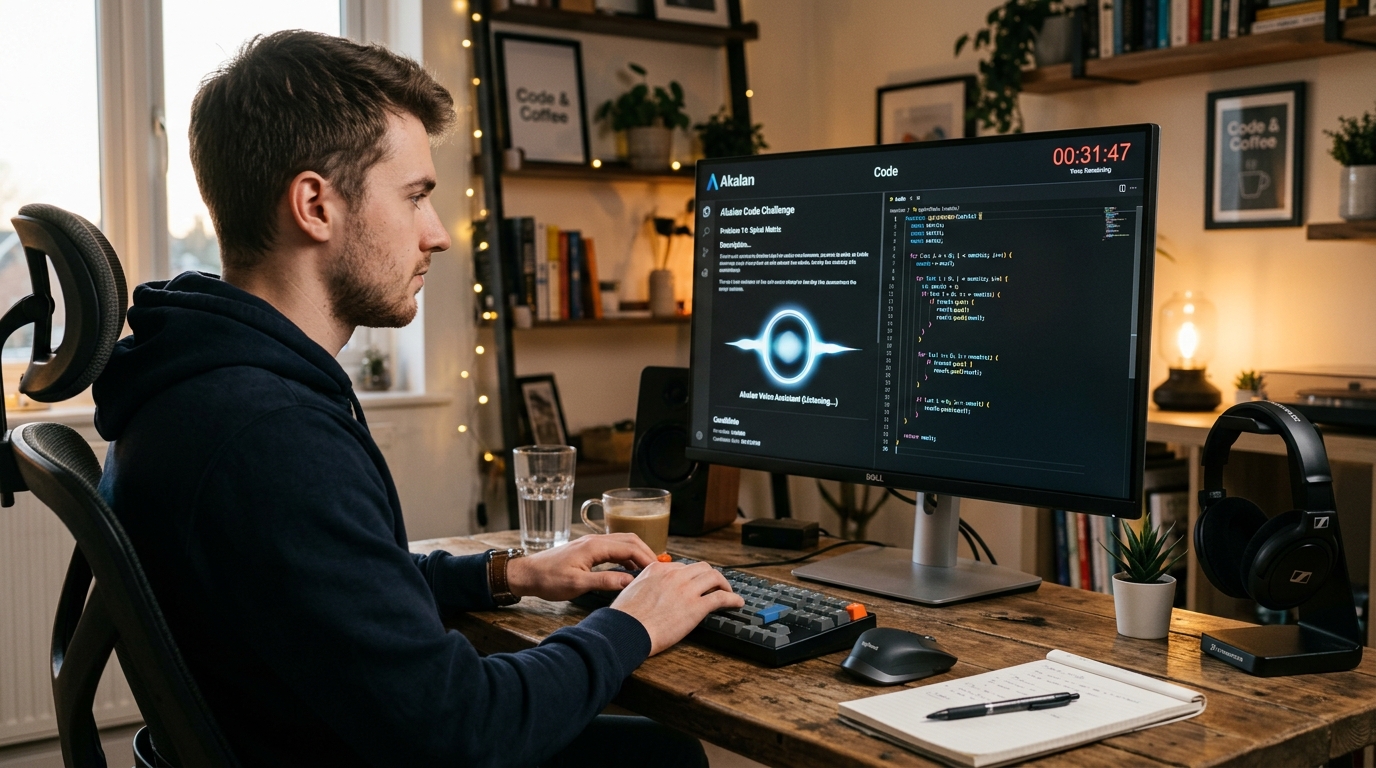
Why Clearing the ATS is Only 10% of the Interview Battle
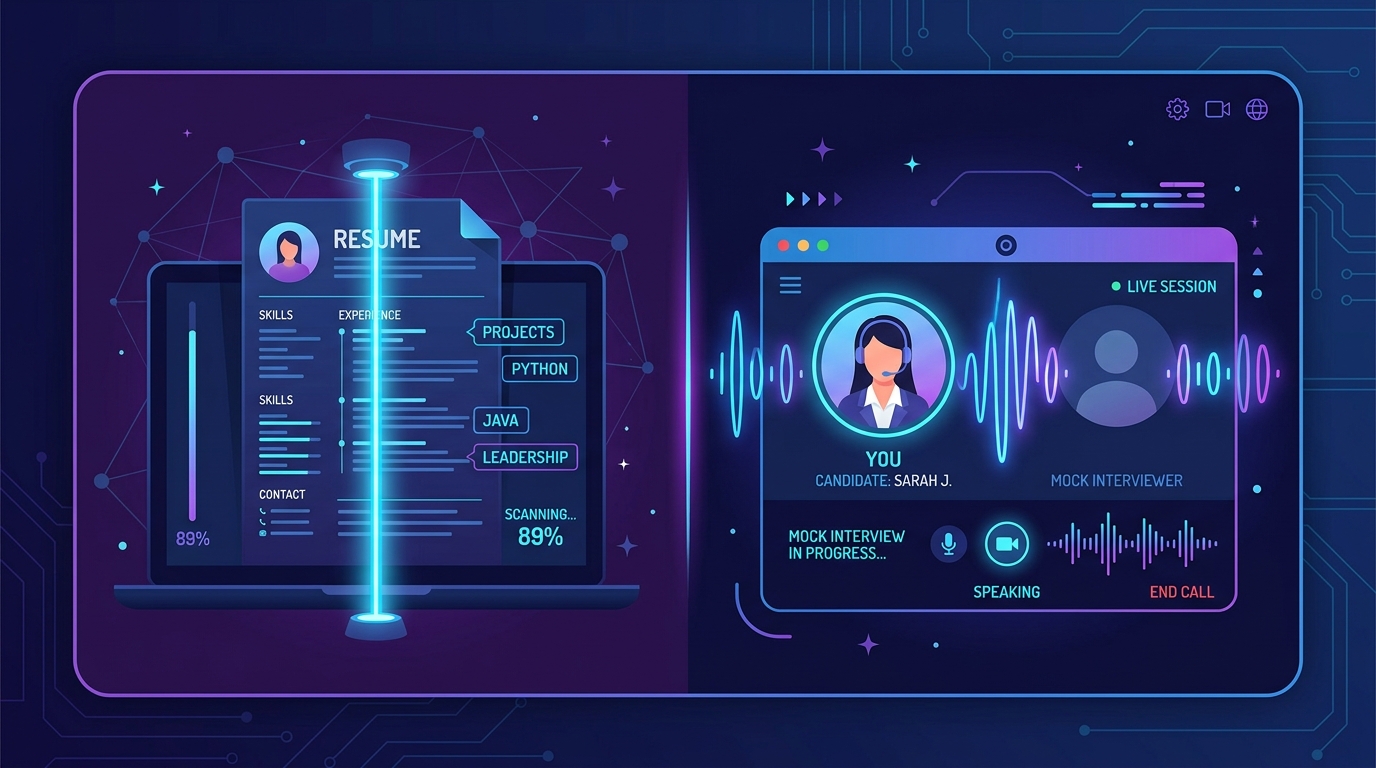
We all know the drill. You spend hours tweaking your resume, matching bullet points to the job description, and trying to bypass the automated filters. With recruiters flooded with thousands of applications, Applicant Tracking Systems (ATS) have become the default gatekeeper. Naturally, candidates now use AI tools to inject the right keywords just to secure an initial callback.
It works. You get the screening invite.
But here is the hard truth: getting your resume shortlisted is only about 10% of the battle. The remaining 90% is decided when you actually start talking.
The Keyword Gap: Where Resumes Stop Helping You
Once you find yourself in a live video call or a technical round, your optimized PDF stops working. An ATS can read that you know "Redis caching" or "product roadmap prioritization," but a human manager or a smart assessment panel will want to hear the details.
If an interviewer asks: "How did you handle Redis eviction when memory got tight?" or "How do you handle feature prioritization when engineering hits a blocker?"—you cannot copy-paste your way out.
Writing a skill on a document is static. Talking about it under pressure is active.
Here is a quick look at how the evaluation changes when you move from the resume stage to the live round:
| What Your Resume Shows | What the Interview Evaluates |
| Tailored keywords & clean formatting | Verbal confidence and structure |
| A list of technologies and skills | How you explain technical trade-offs out loud |
| Unrestricted time to draft descriptions | Your ability to think and respond on the spot |
This gap is exactly why we built Akalan. While resume builders help you look good on paper, Akalan helps you deliver when it matters.
Practice How You Actually Perform
Think of a resume builder as an editor—it structurally organizes your past experience. Akalan takes that exact same background and simulates the real interview environment before the high-stakes round. Instead of typing, you speak your answers.
Here is how the platform helps you practice:
• Interactive AI Avatars: Choose from domain-specific interviewer tracks (like engineering management, product design, marketing, or HR) that ask real, targeted questions.
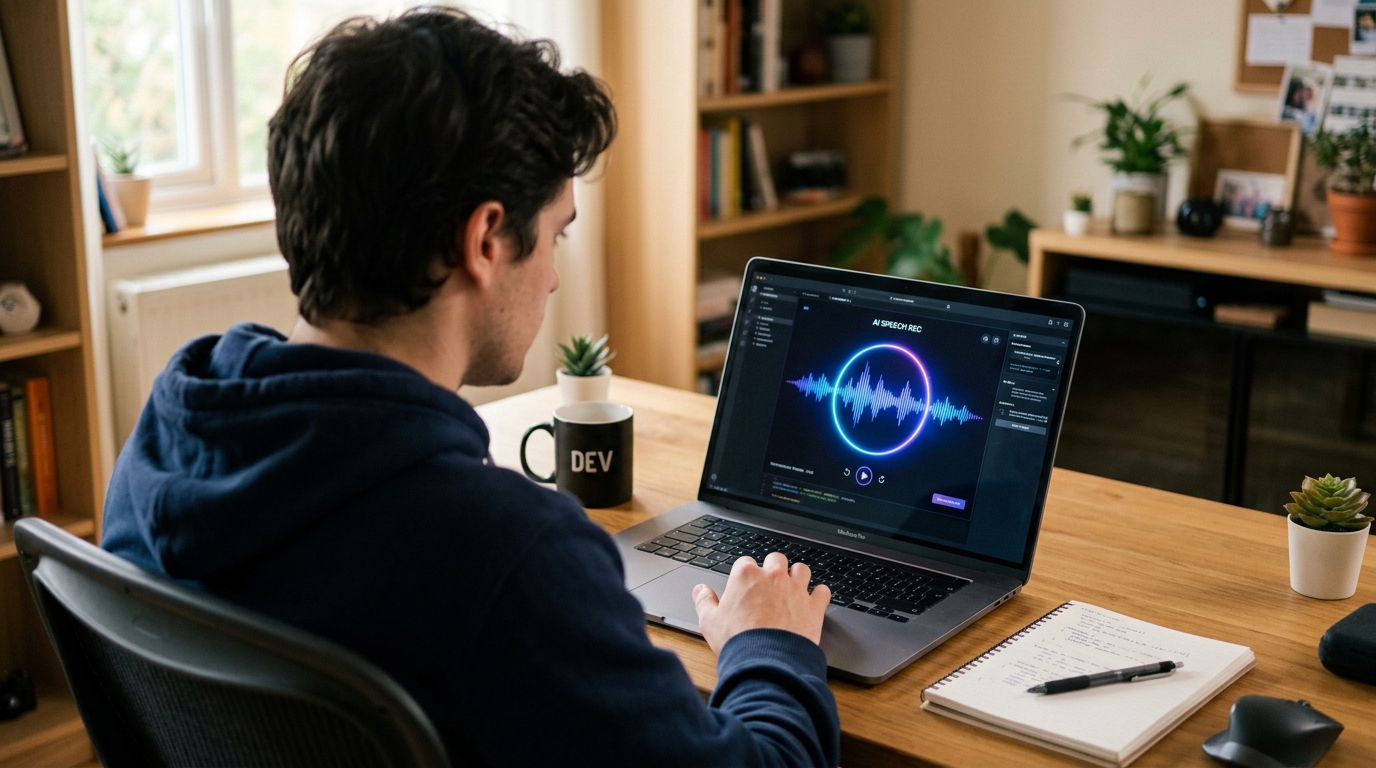
• Live Audio Visualizer: Tracks your voice input in real time. It encourages you to practice vocal pacing and avoid trailing off or freezing.
• Camera and Timer Controls: You can toggle your camera preview to check your body language and posture, while the 5-minute timer ensures your answers stay concise instead of rambling.